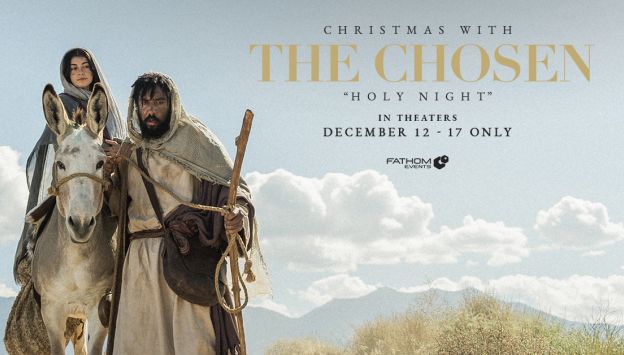
Christmas with The Chosen: A Simple yet Sensational Spiritual Experience

“A young mother labeled impure. A shepherd boy considered ‘unclean.'” This is the summary for the movie event Christmas with The Chosen: Holy Night provided by Fathom Events. I had the privilege of seeing this movie on the big screen this Christmas season. Ever since the nativity of Jesus, there have been over twenty film adaptations (give or take) made to tell their own version of this ancient story. But few of them capture the hope of the season quite like this movie event.

Christmas with The Chosen: Holy Night combines two other movies, The Shepherd (2019) and The Messenger (2021), which were previously made by the same minds behind the popular Biblical drama series The Chosen. The Shepherd , as one can guess based on the title and the summary, tells the story of that famed night through the eyes of one of the shepherd boys. While The Messenger takes viewers on the road to Bethlehem along with Mary and Joseph.

Hurdles and Hope

Both of these movies individually succeed at providing their own separate insights into the story of Jesus’ birth. But together they create a unique story with the overarching theme of hope for those waiting for the Messiah, especially those deemed “unworthy” by society. This is explored through the shepherd boy’s physical deformity. Early in the movie, the shepherd is banned from entering the temple when a cut on his arm begins to bleed excessively. This response is likely based on the grounds of Leviticus 25 which states that those who bleed are considered unclean. Things aren’t much better in his own group as the other shepherds tease him for being slow and force him to bear the brunt of the workload.

This is paralleled by Mary and Joseph’s side of the story. During their journey, Joseph mentions his wife’s “condition” and the uncertainty of her fate when they first heard the news. Since Mary was not yet wed to Joseph, her pregnancy likely sparked rumors among the citizens of Nazareth that she had been unfaithful. In addition to having her name dragged through the mud, she also faced the threat of being stoned to death had it not been for divine intervention. Unfortunately, their troubles didn’t end when they reached Bethlehem. Despite rushing from place to place, none of the inns would take them in. Although it is possible that there were no vacant rooms due to the census, Joseph mentions that they could have been turned away because they didn’t have as much money as the other travelers. Considering how people from lower socioeconomic classes have been treated throughout history, this is a reasonable assumption.

Even in the midst of their trials, the narrative still delivers a sense of hope, emphasized by the performances given by the actors. While, Joseph laments the direness of their situation to his wife, she offers him a smile and says “We’ll make it work.” It’s apparent that Mary trusts that things will turn out well in spite of their unusual circumstances. After a long journey and hours of pain, her patience is rewarded with a child who will grow up to be the Messiah.

The shepherd boy’s journey is a bit slower, but still satisfying. Throughout all of the rejection and teasing, the prophecy he overheard in the temple keeps him going. Ultimately, he too is rewarded in the end with the chance to meet the newborn king and to be accepted in spite of his disability. Although there’s no telling what awaits him back home, he still finds hope in the Savior’s birth and the young couple’s warm welcome. Fans of the classic underdog story will likely get a thrill out of this part of the story.

From Scripture to Picture

Of course, this message could be gained from any textbook, storybook, or even the book of Luke. But what makes this movie unique is how Dallas Jenkins and the actors are able to take these figures we so often read about and turn them into people we encounter in our everyday lives. Nowhere is this more apparent than with Mary and Joseph. Too many people forget that these ancient Biblical figures were once human. Thus, they could make the mistake of taking the roles too seriously and thus losing people’s attention. Thankfully, these two weren’t afraid to be playful and even somewhat silly at times. Throughout the movie, they portray such beautiful, genuine chemistry. So much so that the audience could believe that the actors are a real couple. Their most endearing performance together comes during the birth of Jesus. Without giving too much away, the way they open up to each-other while preparing to meet their son adds an extra layer of emotion to an already touching scene.

With a cast of such memorable and endearing male characters, Mary could have easily been left behind. Thankfully, Jenkins remembered that while so many people label this as “Jesus’ story,” this is also largely hers. The actress is able to deliver an engaging arc with a realistic, authentic performance. One such example can be found later in the film when she is preparing a makeshift cradle for her son. She begins to recite the Magnificat while trying to breathe through her contractions. It’s likely many mothers in the audience could feel and relate to her pain as well as her joy.

Her arc is expanded on by the older version of Mary, played by Vanessa Benavente. During her interactions with Mary Magdalene years later, the audience learns that she was relatively shy when she was younger. But after hearing everyone else share their stories of trials and tribulations, Mary decides that she’s ready to share her story. During this scene, the audience is also treated to some touching exchanges between her and Mary Magdalene. Despite feeling feverish and weak herself, she is still able to provide comfort and reassurance to ease Mary Magdalene’s growing concern. Benavente’s performance bears some similarities to Phillipa Soo’s performance as Eliza Schuyler in Hamilton; strong, compassionate, and resilient. The comparison is rather apt because both characters demonstrate the power of gentle strength for girls and young women in desperate need of strong, female role models.

Joseph’s actor is able to bring his own take on the character while staying true to what makes him so beloved. Though soft-spoken and gentle, he’s able to step up when his wife needs him most. His performance stands out the most once they arrive in Bethlehem. After being turned away from the inn, the audience can hear in Joseph’s voice the inner turmoil between wanting to unload on the innkeeper and staying calm for his wife. It’s a scene that has to be witnessed in order to be fully understood. The actor reaches his peak during the birth scene. When he reminds Mary what the angel said to both of them months ago, “Don’t be afraid,” it’s as though he’s speaking to the audience as well as his wife.

Though he doesn’t appear to have as much purpose or significance as the holy couple, the actor who plays the shepherd boy is able to deliver an unforgettable performance. He’s able to say so much about his character even when he doesn’t utter a word. When he hesitates after being approached by Joseph and flinches when the pharisee passes by, the audience can sense his ever-present fear and shame. His tears and whispers of thanks between sobs pose the question: “Is his reaction only about the Messiah’s arrival? Or could it also be because he’s finally able to connect with others without rejection?” Then there’s his response to Mary’s concern over his injured arm: “It’s fine.” It’s likely that his response resonates with so many audience members who have disabilities, both visible and invisible.

Conclusion

Christmas With The Chosen: Holy Night delivers a unique spin on an ancient story with raw, emotional performances. Although Christmas day has come and gone, the messages of hope and kindness delivered by the movie are ones people should carry into the new year, especially in light of recent circumstances. It’s the perfect feel-good spiritual film for families during the Christmas season and all through the year. After the release of this post, the full movie was released on Amazon Prime. For those who do not have a subscription to Amazon Prime, the full versions are available separately on YouTube. I hope you all have a very blessed Christmas season and a happy New Year. As always, feel free to share your opinions on the movie.
“The Adventures of Rooney Cruz: Ruth The Belle of Loyalty” A Lesson in Accepting Toxic Relationships.

I know that it’s been quite a while since I’ve made a new post. I was quite distracted with my job as a teacher’s assistant during the schoolyear. On top of that, I’ve been having trouble coping with my anxiety over the past few months. Thankfully, I’ve found some solace in my Catholic faith.

Since we’ve recently left the Easter season, I’ve decided to share my thoughts on a Christian book in a series aimed at young girls. I would first like to preface this by stating that this is not a criticism on the religion itself. As stated previously, I myself am a practicing Roman Catholic. My intent is to discuss the writing and the message.

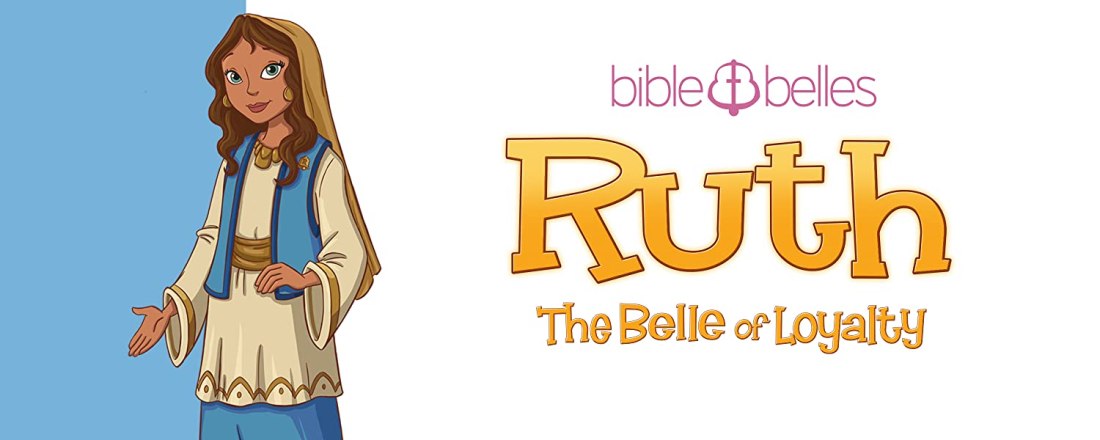
As always, I believe it is necessary to offer some background on this book. “Ruth: The Belle of Loyalty” is the fourth book in the series “The Adventures of Rooney Cruz” also known as “Bible Belles.” The series started when a young couple discovered there was a lack of high-quality books with strong female characters. This became especially important to them when they realized they were going to be parents themselves. And thus, Bible Belles was born.

I will admit that I haven’t actually purchased any copies of the books. However, I have found footage of people reading them on YouTube. From what I’ve seen, the books range in quality from decent to good. I wouldn’t say they’re on the same level as such classics written by Dr. Seuss or Beatrix Potter, but they clearly aren’t trying to be. The aim of these books is to provide Christian girls with strong female role models and instill them with important morals, which is something I can respect.

However, even good series have the occasional dud. In this case, it’s “Ruth: The Belle of Loyalty.” This post will explain where exactly this book went wrong and how it could have been improved.

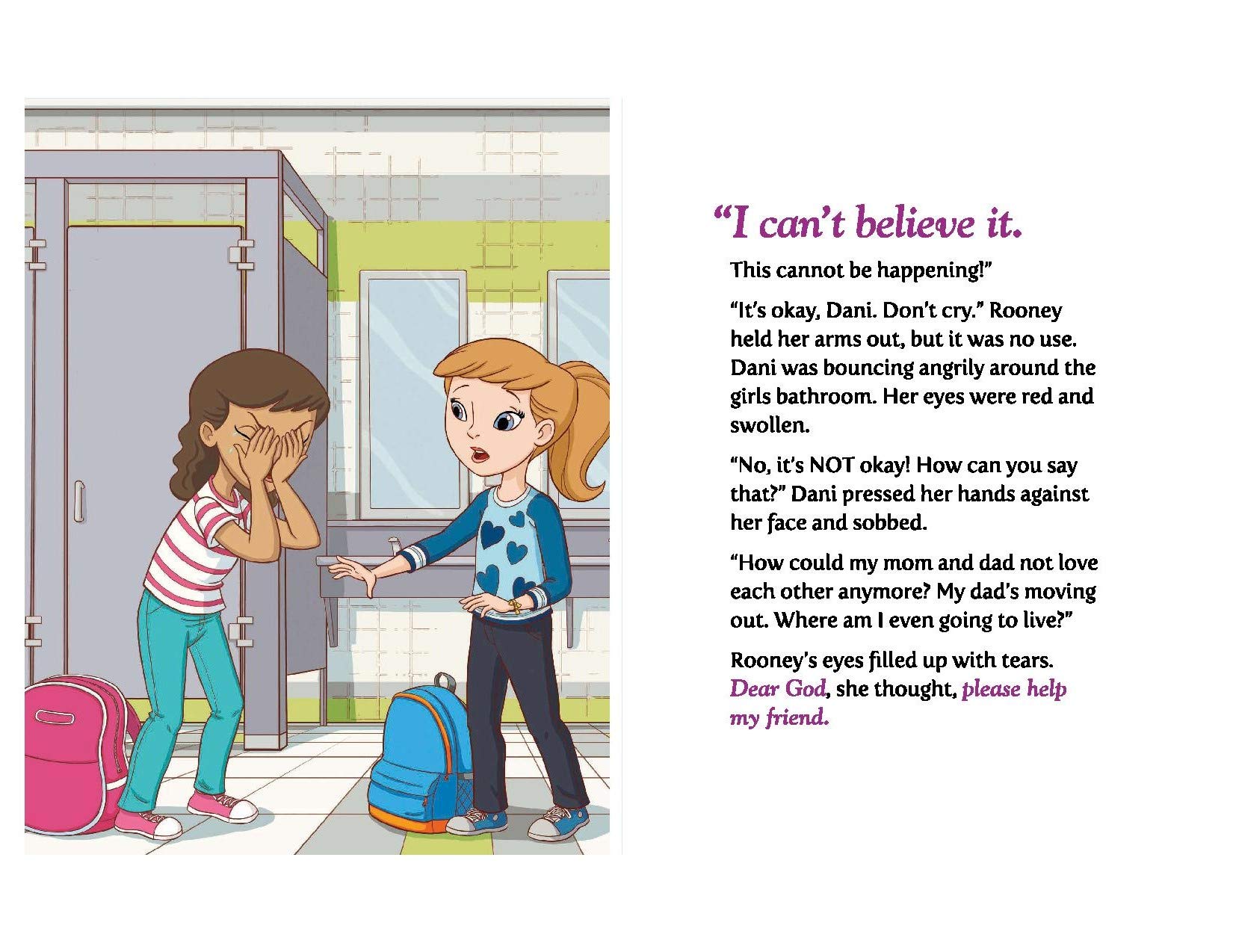
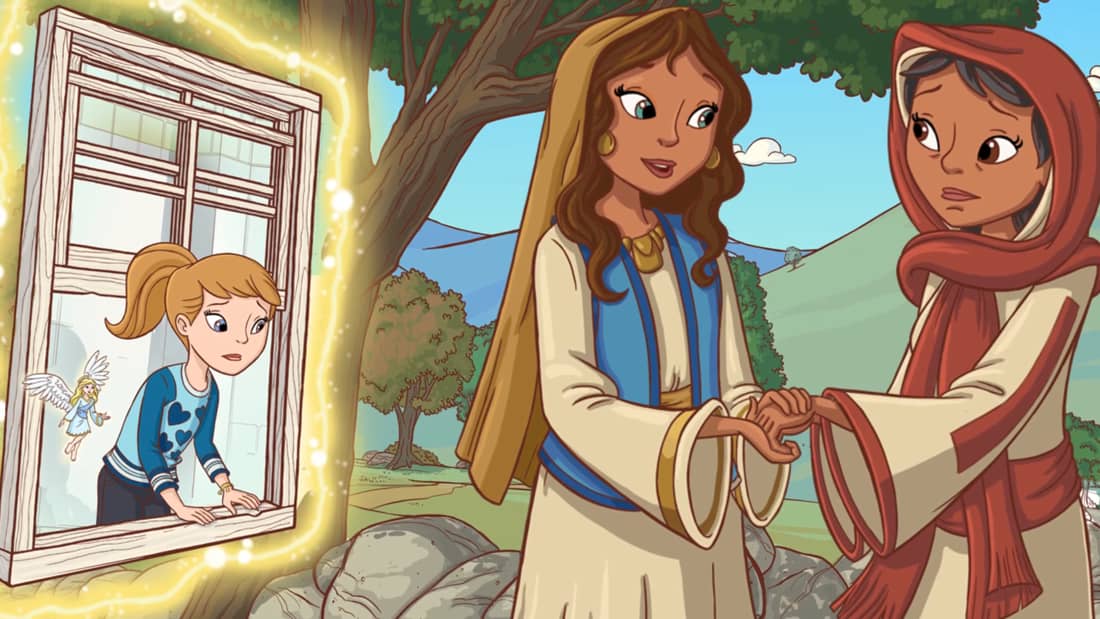
The book starts off well enough. As the text implies, Rooney’s friend Dani is devastated over her parents’ divorce. Rooney tries to comfort her friend, but to no avail. So, she decides to turn to God for help through prayer. I will applaud Erin Weidmann for maintaining consistency with the first book in the series. I’ve seen too many pieces of children’s media that have characters repeat lessons they should have learned earlier in the series or include dialogue and plot points that contradict earlier episodes.

Another consistency with the books is the endearing art style. The colors are lively without being glaring, the textures are smooth, and the character designs are a good balance of realistic and cartoony. It almost looks like something you’d see on a Saturday morning children’s cartoon.

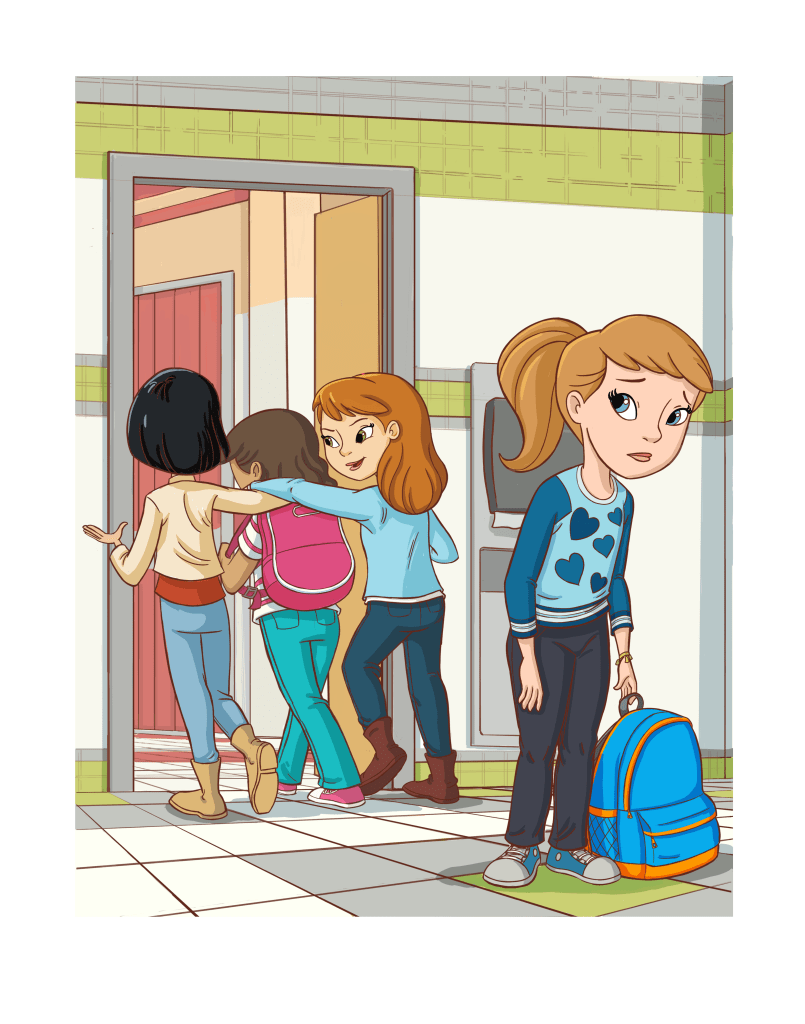
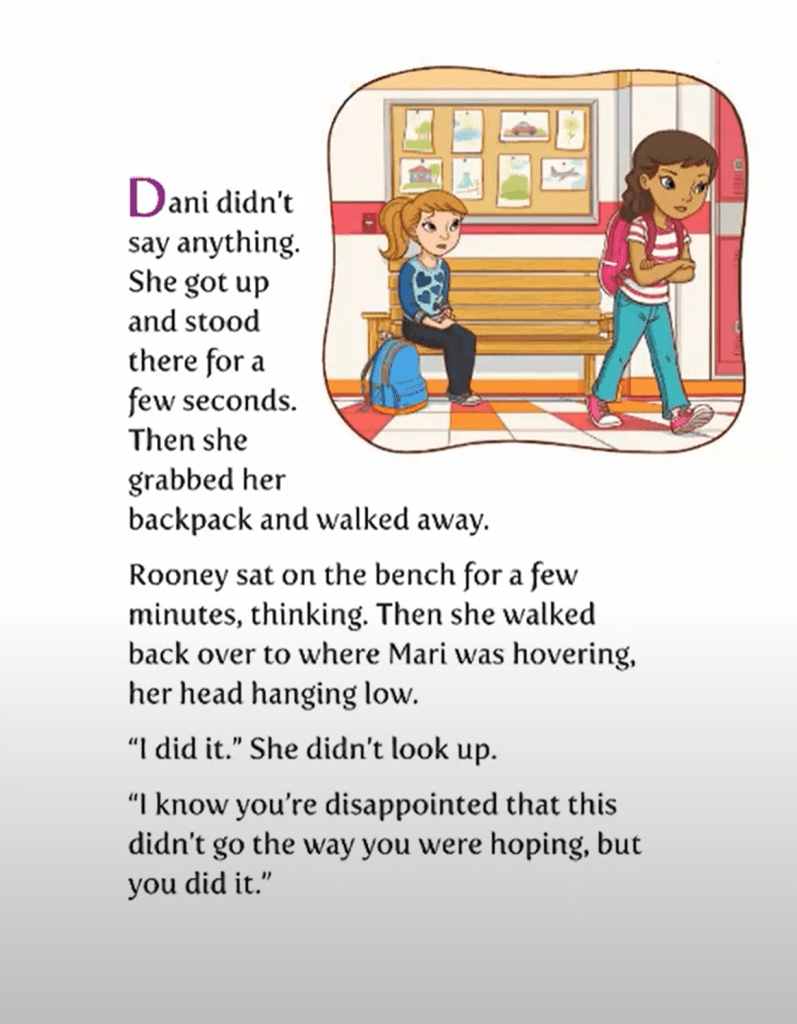
Things start to go bad for our protagonist when her friend rudely brushes off her attempts to console her. The book tries to paint this as a misunderstanding between friends. However, it is necessary to point out that Rooney simply suggested that they pray about this problem. Dani interrupted her before she had a chance to explain herself. Yet the story treats Rooney like she’s the one who needs to learn a lesson.

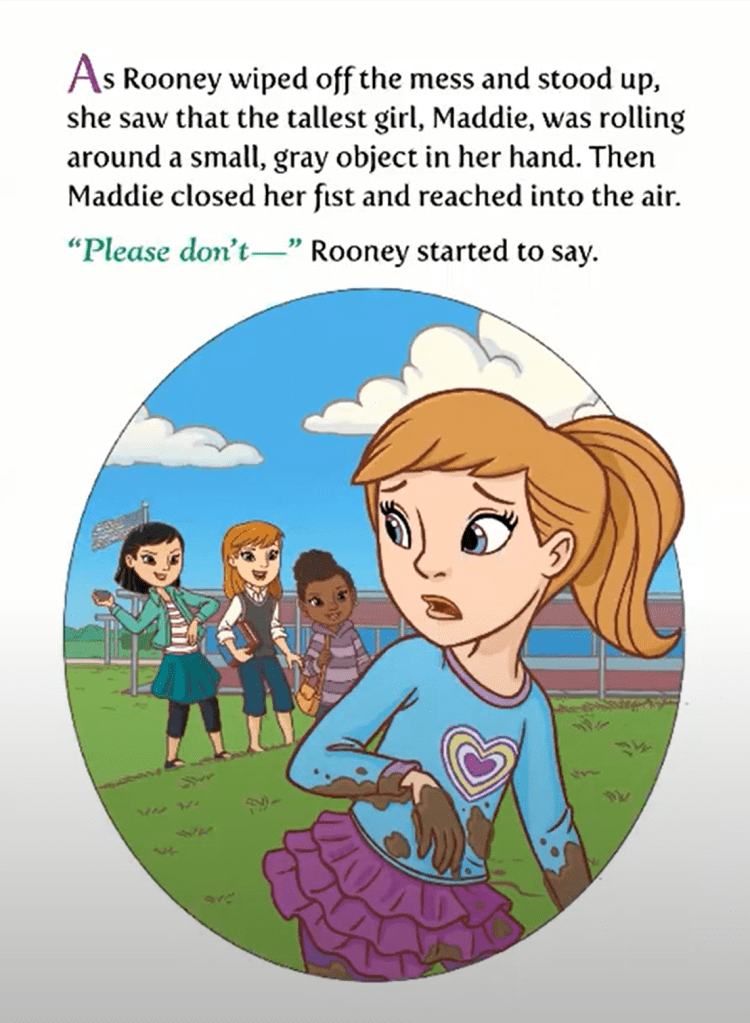
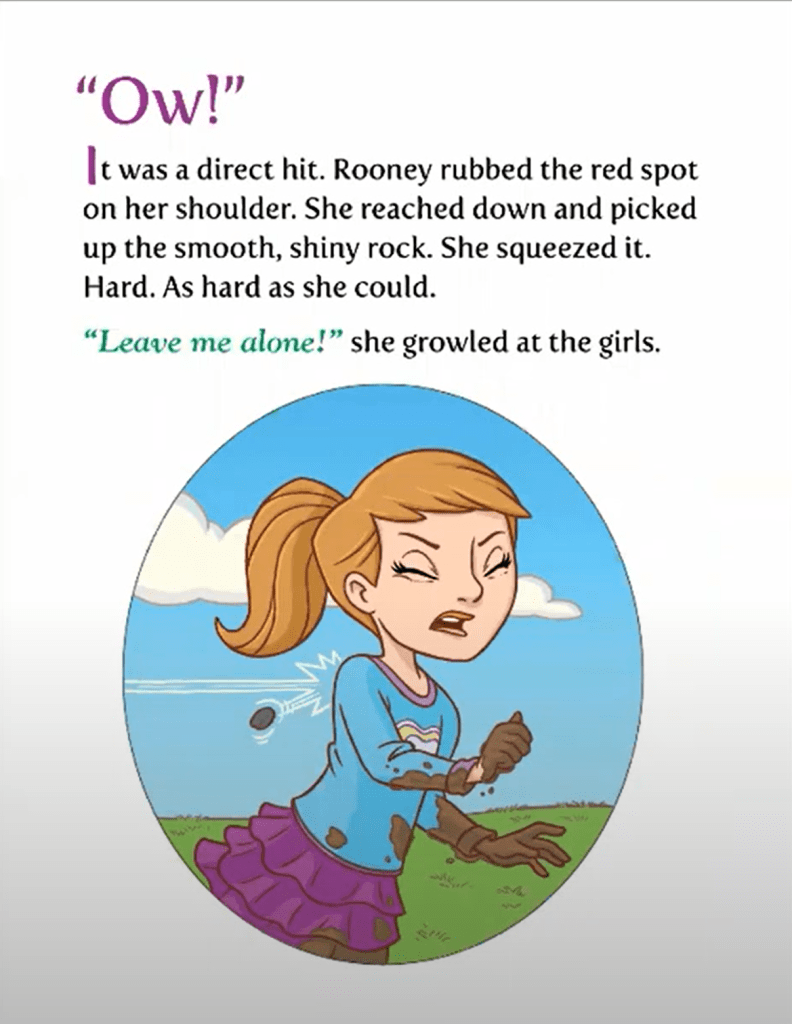
To add insult to injury, Dani decides to abandon her friend and instead opts for the company of Kylie and Maddie. These two girls were introduced in the first book as the one-dimensional mean girls found in nearly every piece of media aimed at girls. They were clearly shown to be quite cruel to Rooney since they not only teased her relentlessly about her clothes, but they even threw rocks at her.

I can understand Dani being upset about her parents divorcing. No child deserves to go through that kind of pain. But going through a hard time does not give someone a free pass to treat others badly. Also, there’s a fine line between taking your hurt feelings out on the closest person to you in the heat of the moment and being a toxic friend. Dani crossed that line when she ditched Rooney for the two girls who bullied her. At this point, it’s impossible to have any sort of sympathy or understanding towards her which readers are clearly supposed to have in order for the message to work.

Shortly thereafter, Rooney’s little guardian angel, Mari, appears to tell her that Dani needs a true friend in her time of need. For someone who’s supposed to be an angel, she seems to have a twisted view of what friendship is supposed to be.

To further emphasize this point, Mari takes Rooney on a trip through Ruth’s story. Anyone’s who’s familiar with the book of Ruth will likely understand what happens next. For those who aren’t, I’ll offer you a quick summary. A woman named Naomi was once married to a man named Elimelek when they left their home in Bethlehem with their sons due to famine.

Unfortunately, Naomi’s husband and sons died some years later, leaving her with only Ruth and Orpah. Naomi then decides to return to Bethlehem with Orpah and Ruth for company. When she tells them to return home, Ruth chooses to stay behind and care for her despite her objections.

If you look closely, you’ll notice that some of Naomi’s dialogue mirrors what Dani said earlier in the book. So, it’s clear that the story is trying to compare Rooney’s dilemma to Ruth’s. However, there is a clear difference between the two. Naomi told Ruth and Orpah to go home because she felt she was a burden on them. In contrast, Dani clearly wanted to be left alone and flat-out told Rooney that her attempts weren’t helping. Kids need to learn that you can’t always fix someone’s problems and sometimes the best thing you can do is leave them alone.

I will admit that I was touched by Rooney’s incredible display of empathy towards her friend. Many adults are quick to scold and nag children for being difficult and irrational during emotional moments. It’s important to recognize that kids have big feelings too and more often than not they need someone to validate them.

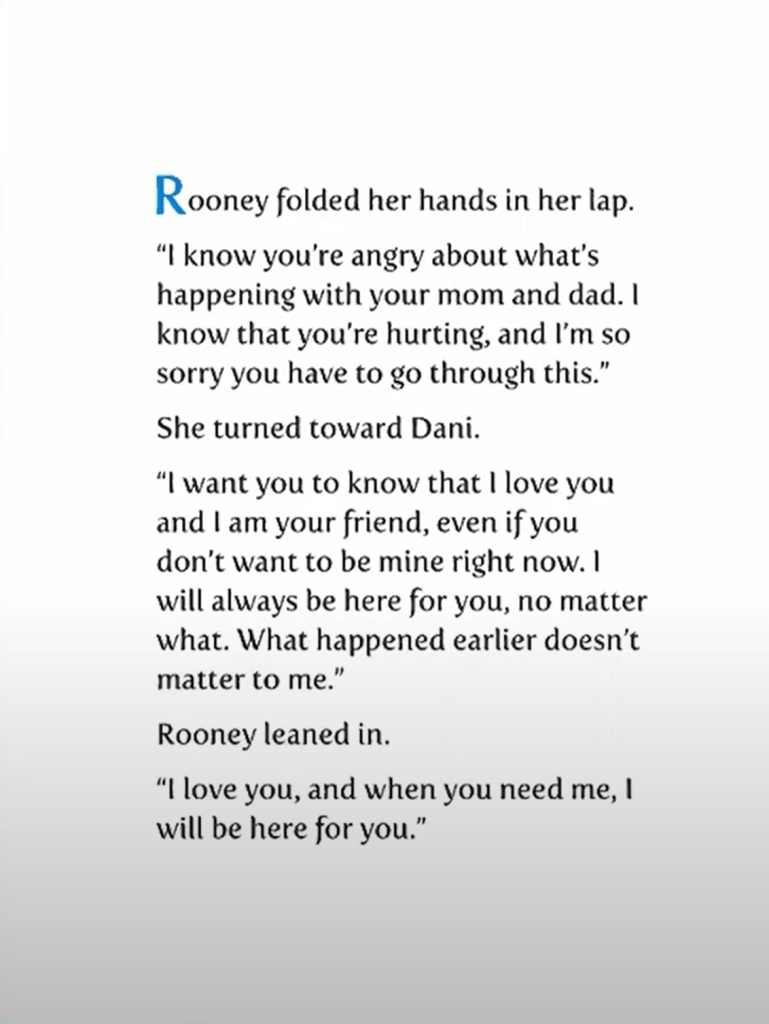
At the end of her journey, Rooney returns to school and sits down to have a talk with Dani, where she flat-out states that what happened earlier doesn’t matter to her. This seems to imply that young girls shouldn’t feel hurt by their friends words or actions and instead should enable their poor treatment for the sake of loyalty. I’m sure this wasn’t what Weidmann intended to say, but it’s apparent that no one on the creative team thought through their implications. Yes, it is important to teach girls to be loyal to their friends and family. However, we should also be teaching them that they have a right to distance themselves from people who bring them down and treat them badly. If they are taught that this kind of behavior should be tolerated from their friends, they will most likely learn to enable abuse in future relationships.

The book ends with Dani walking off and giving Rooney the cold shoulder. Rooney earns the Bell of Loyalty for putting the needs of others ahead of her own. Finally, Mari reminds her that even though she didn’t get her “happily ever after,” God has a special plan for her.

Honestly, this ending gives me mixed feelings.

On one hand, I kind of appreciate that the author was willing to teach the young readers a difficult lesson and still give the story somewhat of a happy ending. Sometimes you don’t get a happy ending even if you’re a good friend. That’s a hard lesson to swallow, but it is one that kids are eventually going to learn at some point in their lives.

On the other hand, it emphasizes the confused writing. The story continually frames Rooney as the one who needs to learn a lesson when, in actuality, Dani is the one who snapped at Rooney and abandoned her for the mean girls.

Overall, “Ruth: The Belle of Loyalty” was an earnest attempt at teaching girls a lesson in loyalty. However, the writing confuses loyalty with enabling which is likely to confuse younger readers, which is why I can’t recommend this book. If you want a story about loyalty done right, check out the Veggietales episode, “Asparagus of La Mancha,” which communicates the message with clever writing and likable characters. Unfortunately, it is necessary to read this book in order to understand the final book in the series. So, I suggest parents use this as an opportunity to teach young girls about being a good friend while setting healthy boundaries.

“Julie’s Greenroom” Review

It’s been several months since I last posted a review on this blog and I’m sorry about that. I haven’t had much motivation to write because of some challenges I’ve been experiencing in my personal life. I’ll try to post more reviews, but in the meantime I hope you like this one.

In my last post I reviewed The Who Was? Show, a Netflix original series for kids based on the educational book series. As you could tell, I didn’t really care for it. Although it tried to teach kids about famous historical figures in an over-the-top, comedic manner, the humor overshadowed most of the educational material. Thankfully, Netfilx has plenty of high-quality shows for kids and adults. So today I will review the episode Singin’ in the Room from the Netflix original series Julie’s Greenroom in order to provide an example of a much better educational children’s show. Now, I am aware that history and performing arts are two very different subjects. So, I will ensure to keep this in mind throughout this review.

Just like last time, let’s begin by listening to the theme song…


I absolutely love this theme song! The lyrics are cleverly written and the music is upbeat. It’s like the song is inviting the audience to join in on all of excitement.

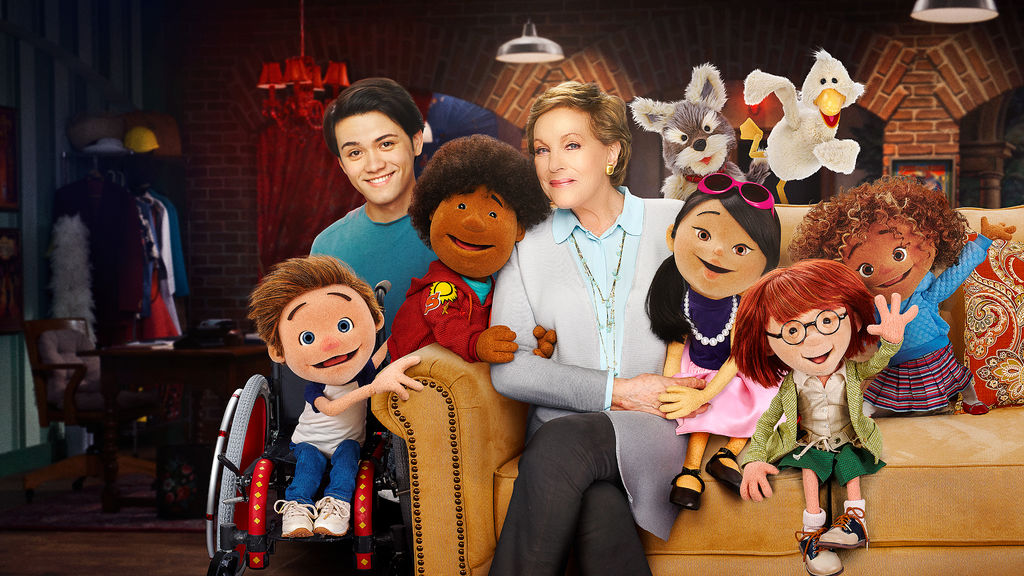
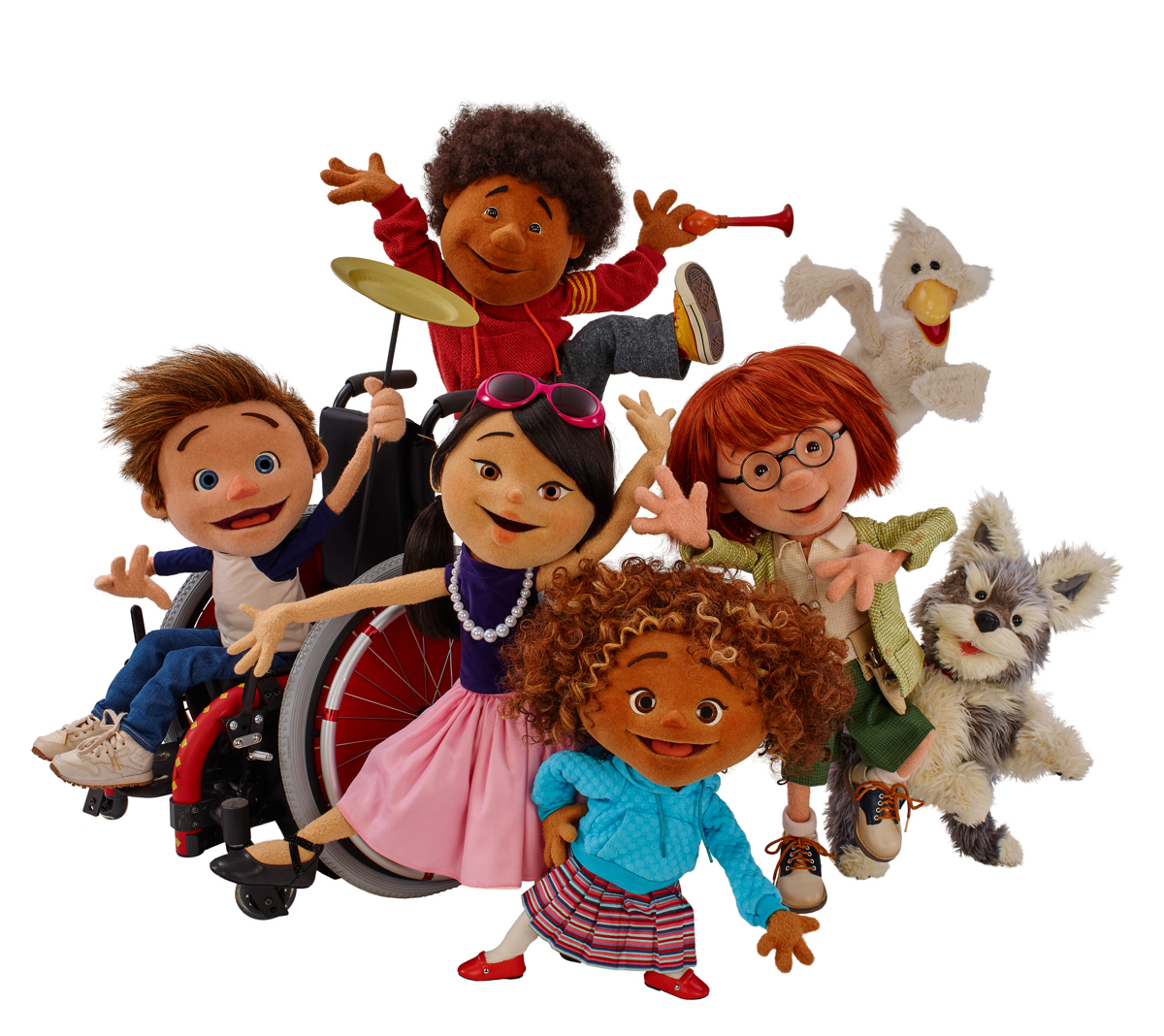
You may or may not be able to tell this based on the title, but this show is hosted by the lovely Julie Andrews. Julie Andrews is known by many for her incredible acting and singing talents. I’m glad to say that it’s no different here. She plays her character so naturally that it seems as if she is the character instead of simply playing the character. This is can be seen when she interacts with the other characters (the Greenies as she refers to them). When she talks to them, it really seems as if she’s encouraging and nurturing real children.

Speaking of the other characters, they’re all written fantastically! Before I get into why they all work so effectively, I believe I should address something very important. For those of you who don’t know, this show has received a fair amount of praise for its portrayal of a gender non-conforming character. However, there are some parents who are uncomfortable with allowing their children to learn about subjects like this.

This is Riley, the character I’m referring to.

Now, some of you may be wondering what my opinion on this subject. Well, I would like to try my best to avoid starting flame wars on my blog. Therefore, I won’t be stating my personal views. I will note that this topic hasn’t been blatantly addressed in any of the episodes I’ve seen. To all of the parents reading this post, I would encourage you to do your own research and make your own conclusions.

With that out of the way, I’ll return to my previous point.

Each of characters on this show has their own distinct personality. In addition to Riley; the shy yet talented genius, we have Peri, the glamorous yet loyal social butterfly; Spike, the curious writer; Hank, the enthusiastic and confident musician; and Fizz, the kindhearted newbie of the group.

The only nitpick I have (which is relatively minor) is the character designs. Although the models are charming and fun to look at, the characters’ facial expressions are extremely limited. Even in moments where the characters are supposed to be sad or angry, they still have a permanent smile fixed into their faces. This is why I believe that Jim Henson’s puppetry style isn’t meant for human designs.

I’ve seen my fair share of child characters in movies and television shows. They sometimes range from unbearable brats to saccharine Mary Sues, with a few exceptions in between. Thankfully, these characters have achieved an excellent balance of flawed and likable traits. Which leads me to the beginning of this episode.

The episode begins when Peri informs the other kids that it’s Julie’s birthday. They then form a plan to surprise their teacher with a special gift. Then, the kids head off toward the stage to begin their singing lessons. This ultimately leads to the main conflict of the episode. Although Fiz obviously wants to sing with the others, she’s reluctant to do so because of her earlier slip-ups. In this case, the conflict stems naturally from the character’s own traits. This challenges the character without changing any of the characters’ personalities or creating a forced or abrupt problem which otherwise wouldn’t fit the narrative.

The most significant aspect I’ve noticed in many educational shows is the ability to balance the educational and entertaining elements. Some focus so heavily on the educational segments that the show soon becomes monotonous. Some shows put too much emphasis on the entertaining segments and the educational material gets lost. Fortunately, this episode balances its educational and entertaining elements very well. Instead of interrupting the episode with random educational segments, the show follows seeks to achieve an overarching goal of the series or for the episode. In this case, the goal is to prepare a song for Julie’s birthday. Because of this, the educational segments fit in naturally with the rest of the plot.

In addition, the information is demonstrated by the other characters. This encourages the young audience to engage in the activities instead of simply observing the on-screen action. This can be seen in two scenes, the first being when the Greenies are learning about major key and minor key and the other being when they’re learning about the notes used to build songs. This leads me to my favorite part of the episode: the guest star.

In this show, a celebrity guest star will appear about halfway through each episode. Once they come in, they usually continue teaching the skill being taught and occasionally deliver the moral. This episode’s guest star, Josh Groban, steps in to discuss the notes used to build songs and the terms used to describe the number of people singing at once. This episode gives him the opportunity to play an active role in the episode instead of just a celebrity for the characters to idolize. His role is emphasized even further in this episode’s big musical number.

Of course Josh, being the amazingly talented singer he is, absolutely nails this song! However, it isn’t enough for a song to have a gifted singer in order to be considered good. Fortunately, this song exceeds in many other aspects. The lyrics are fun and inventive and deliver the message in an interesting and clear manner. It’s obvious that the songwriter put great care and effort into writing the song.

As you can tell, the song is encouraging the audience to use music and song to express their emotions. Most children’s shows about music and art have conveyed this message in at least one of their episodes. I suspect that there may be a particular reason why this message was selected. For those of you who don’t know, Josh Groban shared his struggles with anxiety and depression in an interview. He also revealed that he hopes to reach out to those dealing with similar problems through his song, “River”.

I’m not certain if these factors were intentionally connected to the selected moral or guest star, but it is likely. Even if this is entirely coincidental, the message is still strong. This segment shows that the writers understand that children aren’t just pawns to make a prophet off of. Despite their innocence and naiveté’, they’re still humans and this episode treats them as such by acknowledging that they sometimes have days which make them feel sad or angry. It also encourages them to express them through music and song.

Now that I’ve covered what I consider the most important part of the episode, I’ll discuss another strong educational segment. During each episode, the guest star not only delivers the moral, but also provides more information regarding the subject being taught. In this episode, Josh Groban teaches the audience about singing in harmony by encouraging the Greenies to practice singing notes used to build songs. Since the characters are learning these skills in order to sing to Ms. Julie for her birthday, the educational segments flow naturally with the plot. This keeps the flow of the episode smooth and keeps the audience engaged.

Overall, this episode does a fantastic job balancing the educational and entertaining elements. The characters are equally balanced with traits that make them endearing and realistic. The show discusses how strongly emotions can affect children in a mature and lighthearted fashion, showing the writers’ respect for their target audience. I highly recommend this to parents who might be interested in showing this to their children. Chances are, they’ll enjoy the energetic tone and gain some valuable knowledge about music and art.

“The Who Was? Show” Review

the-who-was-show-show
Disclaimer: This review will include a graphic and possibly disturbing image. However, I only included as an example of Frida Kahlo’s work and to explain why a particular segment of this episode doesn’t work.


Something that many of you may not know about me is that I love the “Who Was?” book series. If you don’t know about this series, let me briefly explain what it is. The “Who Was?” series is a collection of books for kids in grades 3-7 about influential people in the past and present. Although I didn’t read them as a kid, I appreciate them now as an adult because of their simple yet straightforward way of delivering information.

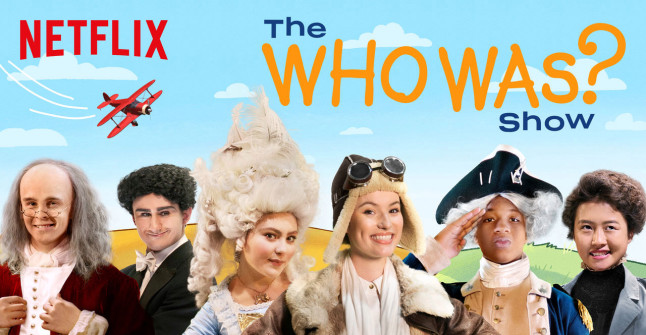
So, when I noticed that Netflix had released a series based on the books I was cautious at first. After seeing “The Magic School Bus Rides Again”, which I’ll review at some point, I was worried that the show wouldn’t be a faithful adaptation of the books. Nonetheless, I tried to remain optimistic and I convinced myself to watch a few episodes before judging the show prematurely. As it turns out, I had good reason to be nervous. Since so many people seem to enjoy this show, I’ve decided to offer my opinion. I’m going to be reviewing the episode about Susan B. Anthony and Frida Kahlo in order to explain why this show doesn’t work as an adaptation of the books or an original show.


First, let’s have a listen to the theme song…


While it’s certainly not the best song in the world, it is pretty catchy and it does get the point of the show across. Besides, it’s better than most of the songs this show has to offer. The only thing I don’t like about the intro is the character designs. Most of the designs are taken directly from the book covers. The only ones that seem to have had any effort put into their designs are the ones who actually appear in this season which comes across as lazy. 

The episode begins by introducing viewers to Susan B. Anthony, who was born in the year 1820 to a poor Quaker family and who spent her life fighting for the rights of others.  During this intro sequence, she keep reiterating the fact that everyone deserves to have a say in how the government should be run and trust me, it gets annoying very fast. The kids watching this will probably understand this the first time so there’s no need to keep repeating it. Maybe this was supposed to show that she’s slightly uptight and needs to loosen up a bit. Is that really how you want to portray one of the most influential figures in the women’s suffrage movement? I’m assuming that that’s probably a joke but what exactly are viewers supposed to find funny? The fact that she’s demanding? Most people, especially kids, tend to find people who are demanding obnoxious, which isn’t a word you want to associate with an influential historical figure. Not to mention the fact that later in the episode she flat-out states that women are better than men. If she’s supposed to be advocating for equality, why is she stating that women are better than men? This isn’t even an isolated example of misrepresenting a famous historical figure for the sake of comedy. In the second episode, Joan of Arc is portrayed as a naïve, psychotic teenager rather than a courageous warrior.

Then, the episode introduces Frida Kahlo, but I’ll get to her part of the show later. For now, I’ll be focusing on Susan B. Anthony. Since I haven’t read the book about her, this will allow me to discuss how the show works, or rather doesn’t work, on its own.

Next, we’re treated to a song which I like to call “Hey! That’s Messed up!” Why? Because the phrase is used way to much! Don’t believe me, here’s what I’m talking about:


Please excuse the poor quality, this was the only footage that I could find of the song since this is a Netflix show. At this point, I should mention that Susan B. Anthony is played by Lila Crawford. She’s also played as the title character in the 2012 Broadway revival of Annie and Red Riding Hood in the 2014 Into the Woods movie. Although her voice sounds fine most of the time, it’s definitely not up to par here. I’m not sure if it’s because of the style of music or because she’s trying to sing in a voice other than her own. And I know that I already mentioned the bad character designs, but it’s even more obvious here. Instead of designing a completely different look for Susan as a baby and a child, they just slapped her head onto the bodies of both, which brings the character design right into the uncanny valley.

Then, we’re treated to a skit titled “Ye Bachelorette.” Even though I’ve been pretty hard on this show so far, I have to admit that this segment isn’t that bad.  As you can probably tell by the title, it’s a parody of The Bachelorette which satirizes 1800s gender roles. So, why do I like this better than the other segments in this show? Well, first of all I can’t stand The Bachelorette so it’s kind of fun to watch this show poke fun at it. And second, this is one of the few parts of episode that manages to be both entertaining and educational. Kids are told that women didn’t have the same rights as men, but often times the only inequalities mentioned are unequal pay and not being allowed to vote. This short also mentions that women didn’t have the right to own property or ask for a divorce. My favorite part was toward the end when Susan said “Yeah, you dudes are awful. Show cancelled, stupid premise! Rose is mine, thank you.” I wish that I had some footage to show you, but alas I couldn’t find any and I don’t have the skills to record it myself.

That’s all that I really have to say about the segments focusing solely on Susan B. Anthony. So, as someone who hasn’t read the book about her what did I learn? She was born in the year 1820, she was a Quaker, she wore pants (which was considered shocking at the time), and…that’s it. What I’m trying to say is that this show focuses so heavily on the comedy that the facts tend to get lost in the grand scheme of things. While kids may find this show entertaining, they’re going to be left with more questions than answers.

Now that I have that out of the way, let me turn your attention to Frida Kahlo. That way, I can show you how this show fails as an adaptation of the books. Before I do so, I would like to point out one thing that the show does right with Frida’s part of the show. For the most part, I really like the way Frida is portrayed throughout the episode. She has moments where she’s sad and lonely but she channels those feelings into her art. She’s also shown to have a sense of humor and she was known for her mischievous spirit especially as a teenager. Unfortunately, that’s the only positive aspect of her section.

After introducing viewers to Frida Kahlo, the show then takes us to her bedroom where she’s recovering from the horrible injuries she received after being in a bus accident.  The episode wastes no time with its desperate attempts at humor by showing how incompetent her doctor is. That would be funny if they weren’t talking about a real victim in a real and horrifying accident. Also, the amount of pain that the actress shows comes across as too relatable to be funny. Even though most people haven’t been in as bad of an accident as Frida, they’ve probably suffered a really painful injury at some point in their lives.  Since they can relate to the pain that Frida is in, it comes across as cringe-worthy rather than funny. Not helping is this “joke”:

Doctor: “Hey, I brought you something to cheer you up.”

Frida: “Flowers?”

Doctor: “Better! It’s a piece of the bus that got stuck in you.”

In case anyone is wondering, that actually happened. The book even states that “The metal arm from one of the bus seats had gone through Frida’s body.” (Fabiny, Sarah. Who Was Frida Kahlo? p.25) Perhaps it’s because I’m personally not a fan of black comedy, but I found this segment more disturbing and uncomfortable than funny.  On top of that, they don’t even mention that the injuries caused by the accident left her unable to have children. At first, I was willing to forgive the writers for this due to their desire to remain tasteful. As you’ll see later, that idea soon went completely out the window.

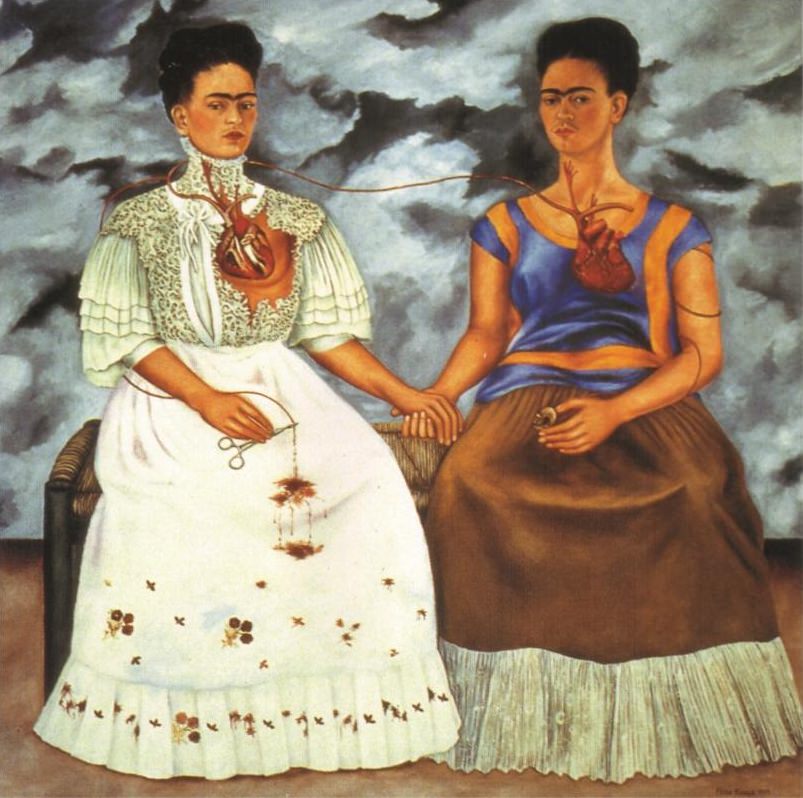
Next, we’re treated to “Frida’s Joy of Painting” which showcases some of Frida Kahlo’s art in the style of a YouTube video. It actually isn’t too bad the first time around, aside from the uni brow joke. Even then, it’s rather subtle and it’s the only one out of the endless amount they could have added. The second time however, it’s much worse. This time, it opens up with Frida stating that she hasn’t been painting lately because she’s been taking care of her husband, Diego Rivera, who has been painting murals in America. Then, Diego comes in asking for his socks and Frida decides that she’s had enough and wants to leave him. This inspires her to paint what she says is one of her most emotional paintings obviously based on Las Dos Fridas (The Two Fridas in English.)


the-two-fridas

She states that the one part of the painting is who she was before, bright and colorful and full of life, while the other one is who she became when she found out her husband kissed her sister and many other women.


Oh boy, where do I begin? First of all, this is a painful over-simplification of the relationship between Frida and Diego. It’s true that Diego had many affairs during their marriage but the way it’s portrayed in the episode makes it seem like Frida was the victim in the entire situation. In reality, she was also unfaithful. The book even makes note of the tension between the both of them until “Frida decided that the only way she could still work and stay friends with Diego was to move into her parents’ home, the Blue House.” (Fabiny, Sarah. Who Was Frida Kahlo? p.85) The kids that this show is aimed at are too young to understand the complicated circumstances which lead to infidelity in marriage and even most adults don’t fully understand it. Which is why Sarah Fabiny (the author of the book) wisely chose not to mention it and the writers of this episode should have done the same since they’re clearly unable to depict it in an honest and respectful way. I’m also confused why they believe that this is an appropriate subject to cover with children yet they don’t think they can handle the fact that Frida couldn’t have a baby because of her injuries.  If the writers were trying to be tasteful earlier, they lost all taste here. 

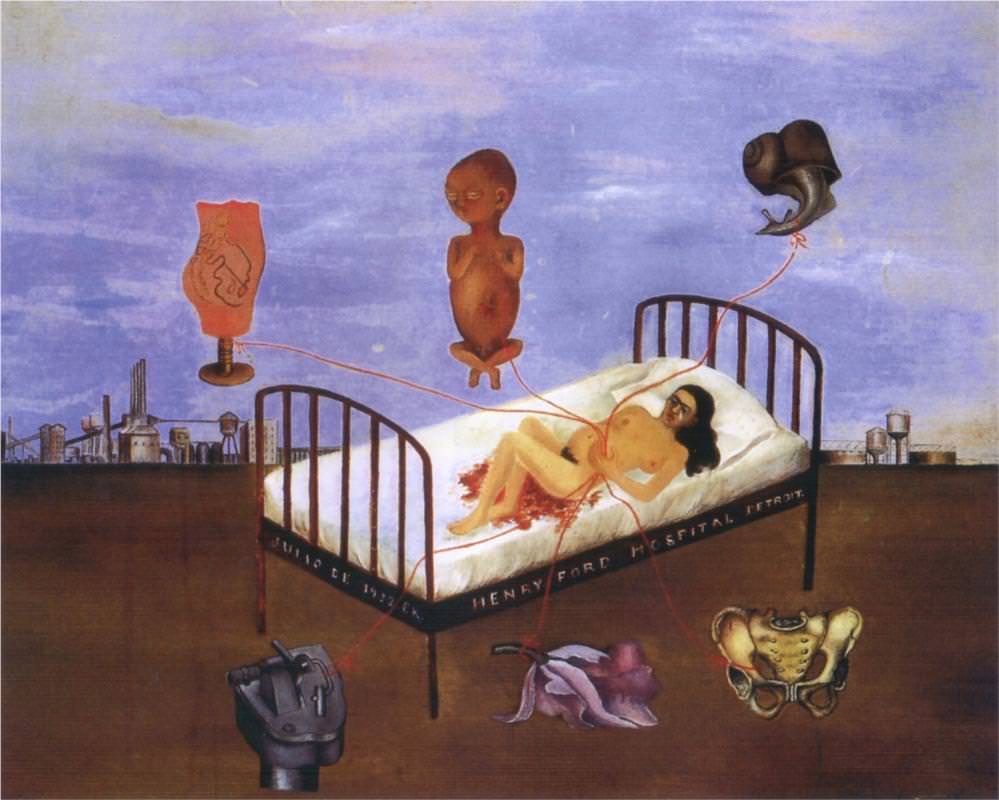
Sadly, that’s not the end of the stupidity. The next skit opens up with the narrator saying that Frida Kahlo was once brought to one of her gallery openings in her bed. She then proceeds to drive her bed around like it’s a race car and even takes it for a ride on a roller coaster. I really, really wish that I was kidding you! I have no idea what the writers were going for with that segment. My first guess was that it was a reference to Frida Kahlo’s painting Henry Ford Hospital (The Flying Bed). For those not familiar with her work, this is what it looks like:

henry-ford-hospital

This is obviously something that you wouldn’t want to show to kids, so I highly doubt that any kid watching this show would understand the reference. Although the adults might understand the reference, they probably won’t find it very funny. The next thought I had was that they were trying to make the fact seem more interesting to the kids. In that case, they could have just told the viewers what really happened. Trust me, it’s much cooler and make much more sense.

After all of that ranting, I would like to give this episode one last bit of credit. Although I would hardly call it one of my favorite songs of all time, this one is pretty decent.


Although the lyrics leave much to be desired, the music is pretty good. Seeing Frida and Susan holding signs pressing for equality is a simple yet effective representation of the song’s overall message of persisting through difficulties and standing up for your beliefs. It’s not award-worthy but it’s a nice change from the last song I heard.

As you can tell, I’m not a fan of this show. The humor is juvenile and dated at times, the characters are oversimplified and cartoony, and the information is delivered in a very sloppy manner. If you want your kids to learn about some of these important historical figures, I recommend that you stick with the books.


Information Sources:

Fabiny, Sarah Who Was Frida Kahlo?

http://www.pbs.org/weta/fridakahlo/life/people.html


Image/Video Sources:

https://decider.com/show/the-who-was-show/

https://www.fridakahlo.org/henry-ford-hospital.jsp

The Two Fridas – Las dos Fridas – Art Prints

http://www.youtube.com/watch?v=VpfIgbvSkWE

http://www.youtube.com/watch?v=uUV7Qf3Dc3k

http://www.youtube.com/watch?v=XZxzJGgox_E

http://www.youtube.com/watch?v=8bYEziFji9o